
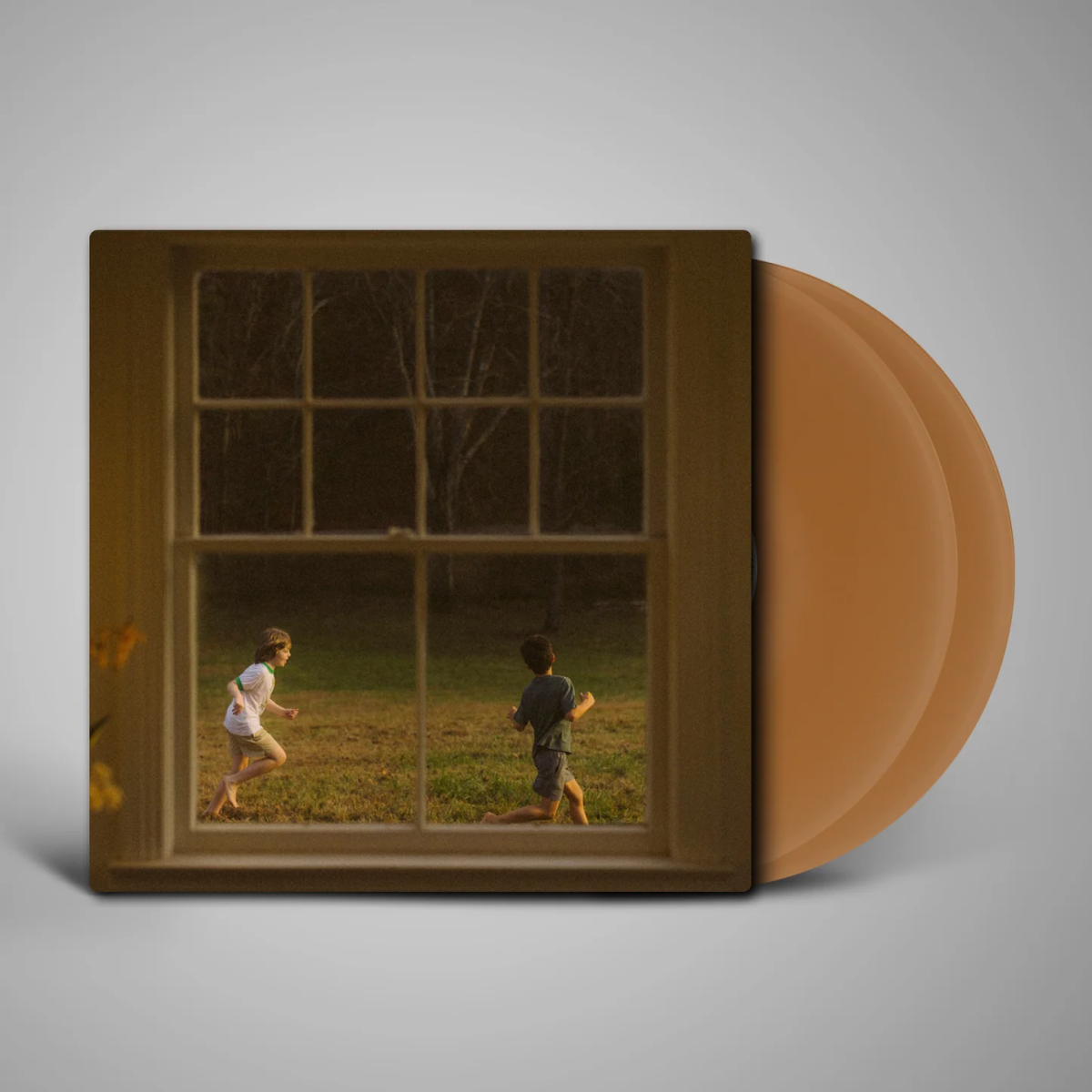
Grammy nominated folk songwriter and singer, Noah Kahan released his new single, The Great Divide on January 30. In the wake of releasing the new hit single, Noah Kahan also announced a new album set to release on April 24 as well as his upcoming North American tour this summer.
Kahan is known for his emotional, nostalgic writing style, and his newest song is no different. The song quickly gained traction, showcasing the maturity that comes with age and separation from one’s hometown friends. Kahan is known for his lyrics being open for interpretation, often allowing his music to reach all kinds of audiences across the globe.
The song opens with the lines:
“I can’t recall the last time that we talked / About anything but looking out for cops / We got cigarette burns on the same side of our hands, but we ain’t friends / We’re just morons who broke skin in the same spot.”
Kahan begins by establishing a friendship that is clearly rooted not in shared joy, but in shared recklessness and pain. The narrator reflects on a friendship defined by survival rather than understanding; a hurt filled, trauma bonded relationship. The lyric “we ain’t friends” is especially devastating in its bluntness, acknowledging that what once felt like connection was instead a mutual attempt to cope, where both people were only focused on their own inner turmoil. This portrayal reflects a common adolescent experience: friendships formed during periods of emotional distress, where pain becomes the primary language of intimacy.
The line “I’ve never seen you take a turn that wide” introduces a moment that could possibly be a car crash that marked the end of the relationship. This imagery recalls Kahan’s earlier song “Orange Juice,” where a crash leaves no visible scars but permanently alters the emotional landscape between two people. In “The Great Divide,” the damage is similarly unseen yet profound.
As the song continues, the narrator’s voice softens into regret:“You know I think about you all the time / And my deep misunderstanding of your life.”
These lines reveal the most painful realization of all; proximity does not equal understanding. The narrator recognizes that while they were consumed by their own struggles, they failed to truly see their friend’s suffering. This acknowledgment transforms the song from one of quiet accusation into one of self reflection, highlighting the emotional immaturity of youth.
As the song continues, it shifts to a turning point:
“I hope you settle down… I hope you’re scared of only ordinary stuff”
Rather than clinging to the past, the narrator releases it with grace. These words carry hope that their estranged friend now fears only “ordinary” things and suggests a longing for peace, stability and freedom from the overwhelming pain the two once shared. The final reference to fearing “what He might do with it” hints at religious anxiety, suggesting that shame or spiritual fear may have contributed to their shared trauma.
Kahan then revisits the night that seems to define the fracture between them:
“You inched yourself across the great divide / While we drove aimlessly along the Twin State line.”
The Twin State line marks the border between Vermont and New Hampshire and becomes a powerful symbol of liminality. The phrase “inched yourself across the great divide” suggests a slow, deliberate crossing, both physical and emotional. While intentionally ambiguous, the line conveys the sense that the friend was navigating a deeply fragile moment, one that ultimately set them on a different path from the narrator.
The song’s final wishes return to the theme of release:
“I hope you threw a brick right into that stained glass / I hope you’re with someone who isn’t scared to ask.”
The image of shattering stained glass evokes a rejection of rigid belief systems and the fear that once constrained the friend’s sense of self. It is not an act of destruction, but of freedom. The narrator’s hopes are no longer about reconciliation; they are about their friend receiving grace and healing from their shared trauma.
Ultimately, “The Great Divide” stands as one of Noah Kahan’s most quietly devastating songs. Rather than romanticizing the pain of shared history, Kahan examines it with distance, compassion and clarity. The song captures the moment when nostalgia gives way to understanding; when love for someone no longer requires closeness, only hope for their peace. As he prepares to release his upcoming album on April 24 and embark on his North American tour beginning June 11, 2026, “The Great Divide” signals a new chapter: one rooted in emotional maturity, grace and the courage to honor the past without being bound to it.