

Although Texas is usually scorching hot, the temperature often drops to freezing and below during the winter season. As the cold season settles in, it’s important to be prepared; Texas’ erratic weather can have you unexpectedly facing a freeze with less than a day to prepare. When you get that freeze alert, what are the precautions necessary to protect your home from thousands of dollars in repair?
Most damage caused by freezes are a result of burst pipes. Pipes burst when the water inside reaches 32 degrees Fahrenheit (0 C) or lower and freezes. When ice expands, it creates a blockage that builds pressure until the pipe can no longer withstand it and bursts. Additionally, metal becomes more brittle at low temperatures, making pipes even more prone to rupturing in the cold seasons.
If you want to avoid damage, protection is necessary indoors and outdoors:
Outdoor Protection
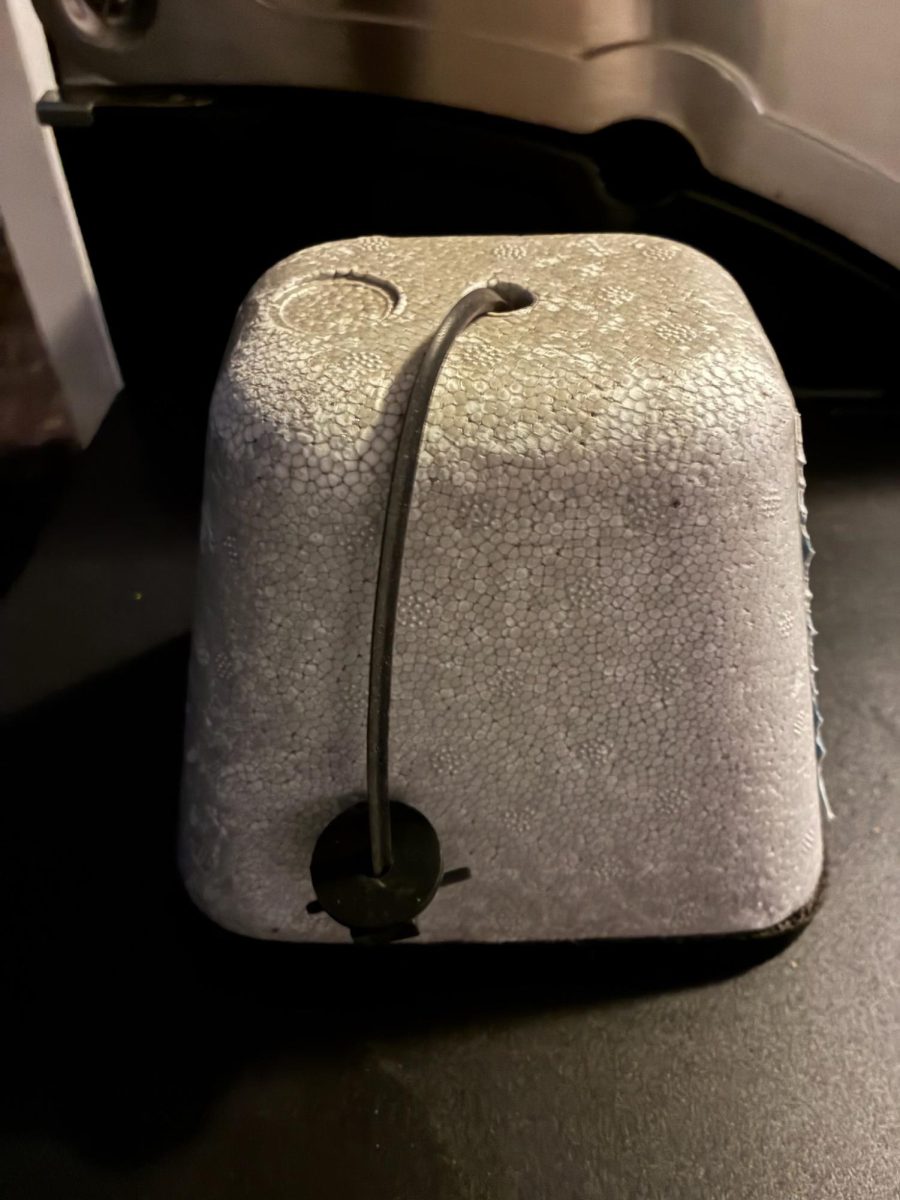
Protect or wrap exposed pipelines with towels, heat-tape, or insulated sleeves to keep them warm Make sure to cover any outdoor faucets with plastic or foam faucet covers; these can be found at most local hardware stores like Ace or Lowe’s. If you have a sprinkler system, make sure to turn it off before any extreme temperatures. Drain hoses and anything else with water in it to avoid frozen water from cracking and potentially breaking its container.
In the instance of a storm, you may be left without power and planning to use a generator. According to the Texas Department of Insurance, generators can be a safety hazard and should never be used indoors. The carbon monoxide gas they generate makes them “silent killers”, since it is odorless and colorless. TDI advises to only use generators outside and a safe distance from doors, windows, and air vents.
Indoor Protection
Keeping your pipes protected is just a matter of keeping them warm. Take precautions like opening cabinets to allow warm air in and leaving the thermostat on while not home. It may be tempting to turn off the A.C to save some money, but leaving it on is important. Dripping all the faucets in the house, even just by a little, helps to relieve the pressure in pipes. It might seem over the top, but sticking a towel in the crack beneath front and back doors keeps cold air from coming in at night, when temperatures drop even further.
In case of a breakage, it is important to be able to locate your home’s main valve, which controls the flow of water to the entire house. According to the Harris County Fresh Water Supply District, the house’s main water valve is usually located on the same side of the house as the water meter, and can be found hidden behind a panel on the wall. Additionally, check on exterior walls. For the external valve, check for a meter box by the curb in the house’s front yard.
If there’s an opportunity to prepare, it’s important to act. Even a small pipe break can lead to thousands of dollars in damage; leaking through roofs or onto furniture, or causing additional damage to other networks in the building. Supplies for freeze are found in almost all local hardware stores, or, alternatively, online. Amazon offers a variety of cheap supplies for the job.