
Ryder’s Story: Help Deretchin Teacher Fundraise for Son in Need


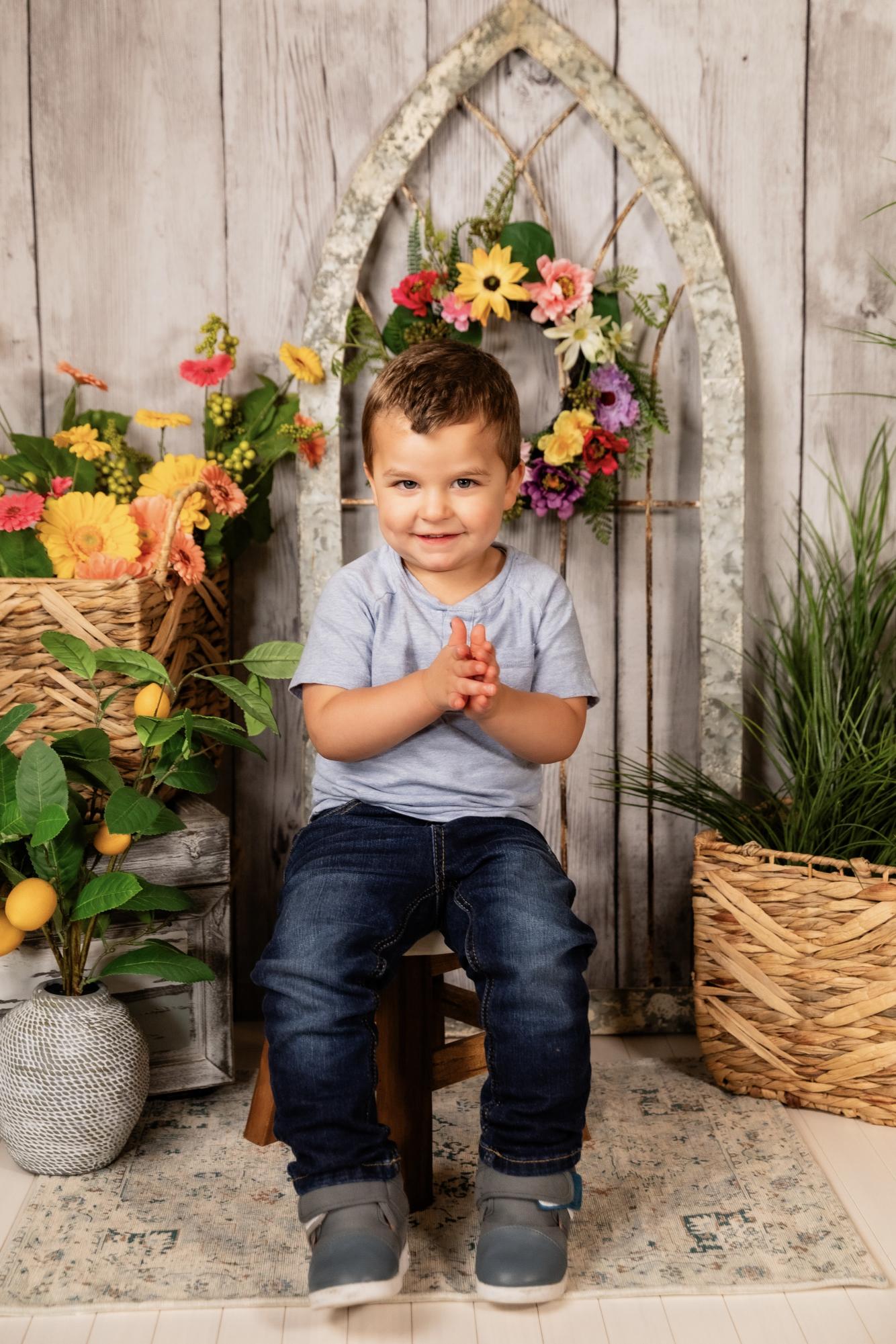
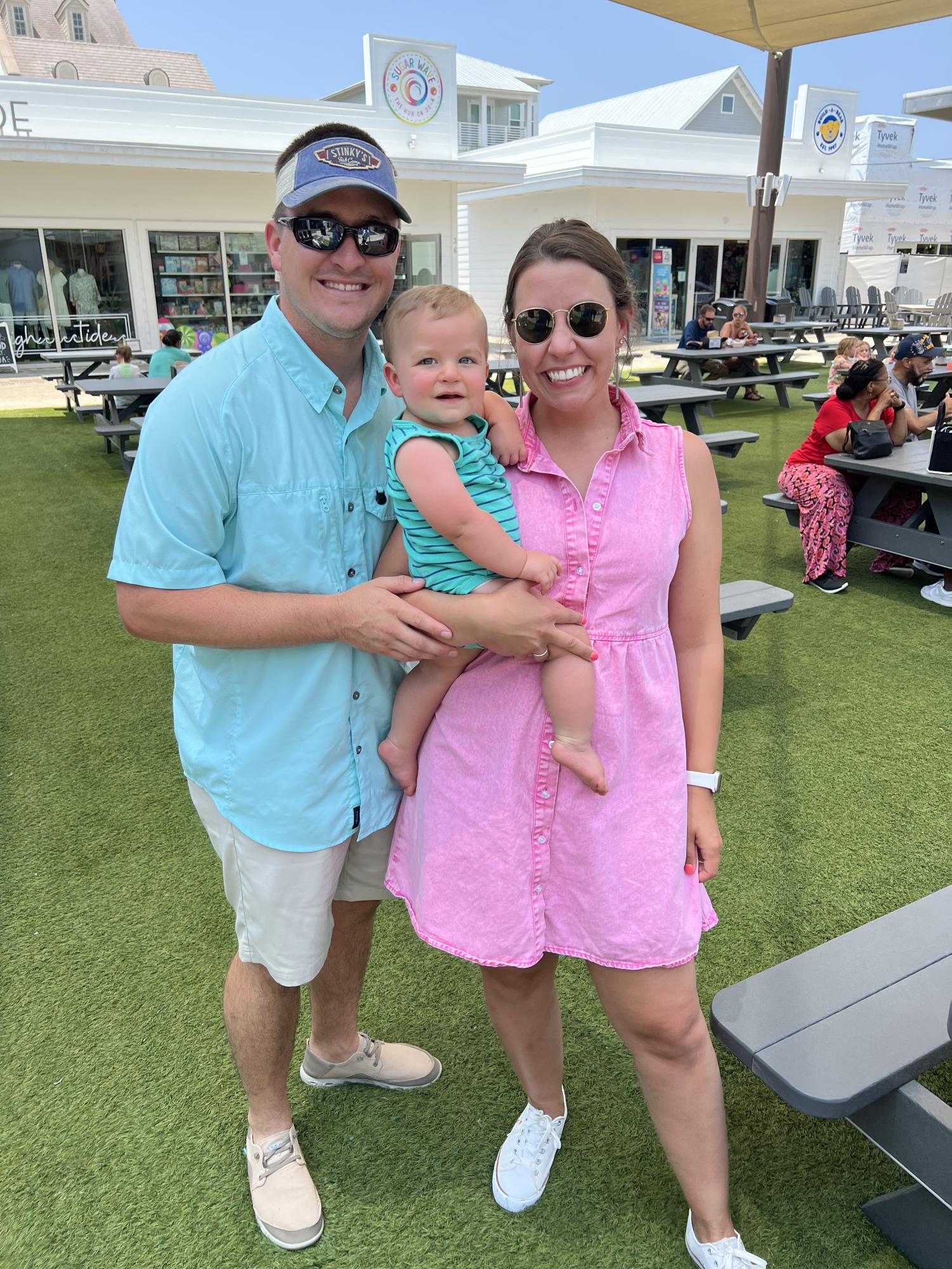
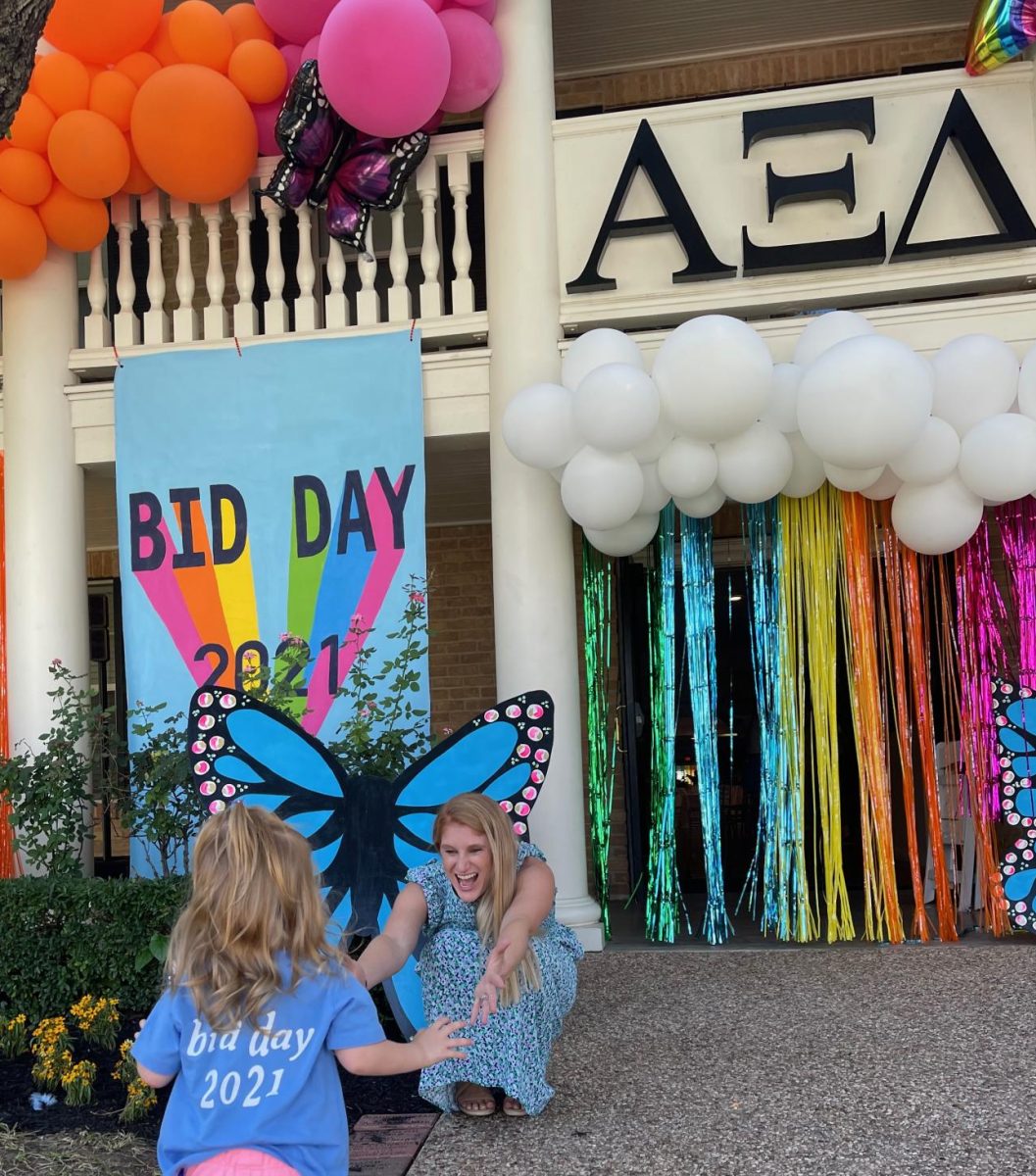
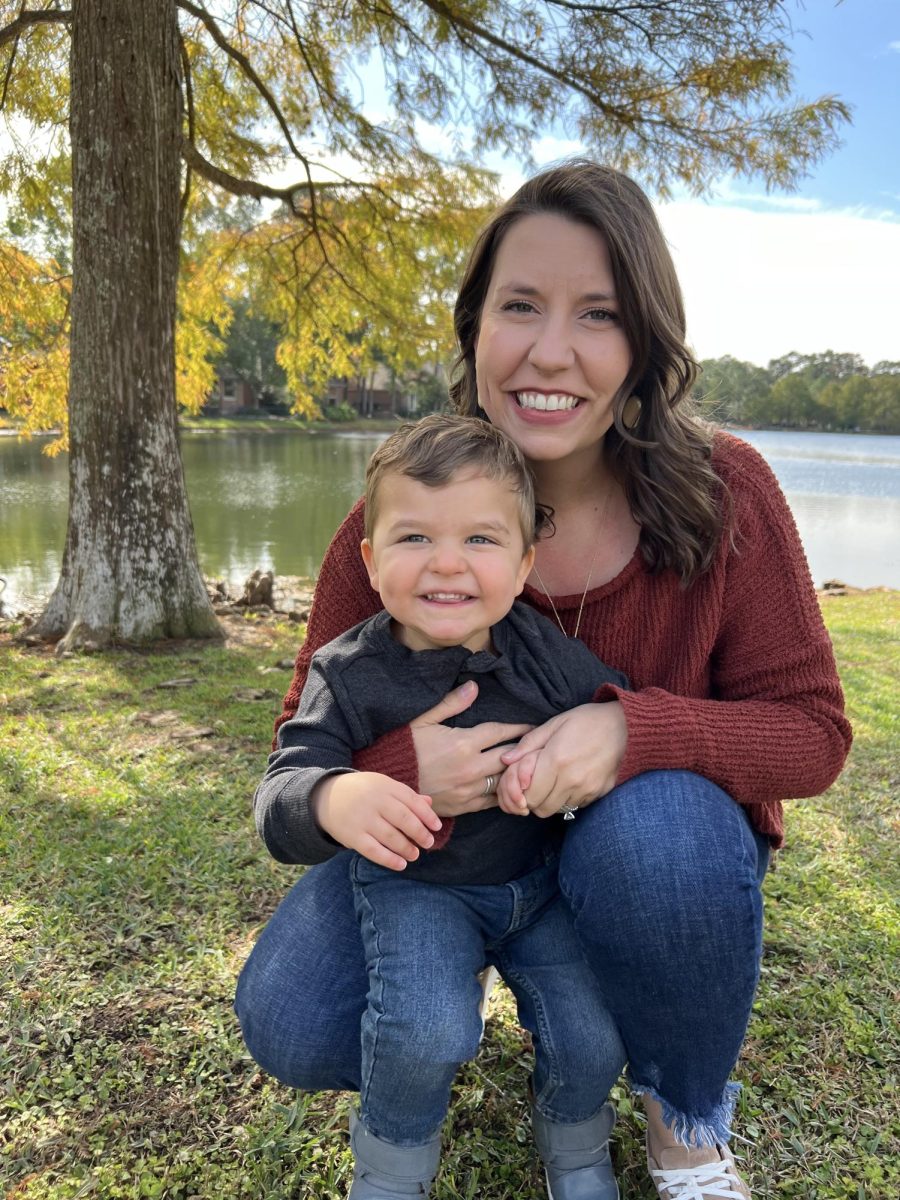
The Buckley’s are just like any other family. Maggie Buckley, a teacher at Deretchin Elementary, and her husband, Brett, both grew up in The Woodlands. After spending high school and college together, they got married shortly after graduating. Two years later, Maggie gave birth to their first child, Ryder Buckley, who is about to be four, and later, their second child, Marley, who is 18 months old.
The Buckley kids are kind and playful. Marley is the baby of the family and she loves to play with her older brother Ryder. Although balancing two kids at home while juggling a classroom of kids at work is a high pressure job, Maggie does it everyday.
“I wouldn’t trade them for anything,” Maggie said. “ I love them dearly, it’s a hectic time, and I know it’s going to get easier as they get older. I mean this is probably the most chaotic time of my life.”
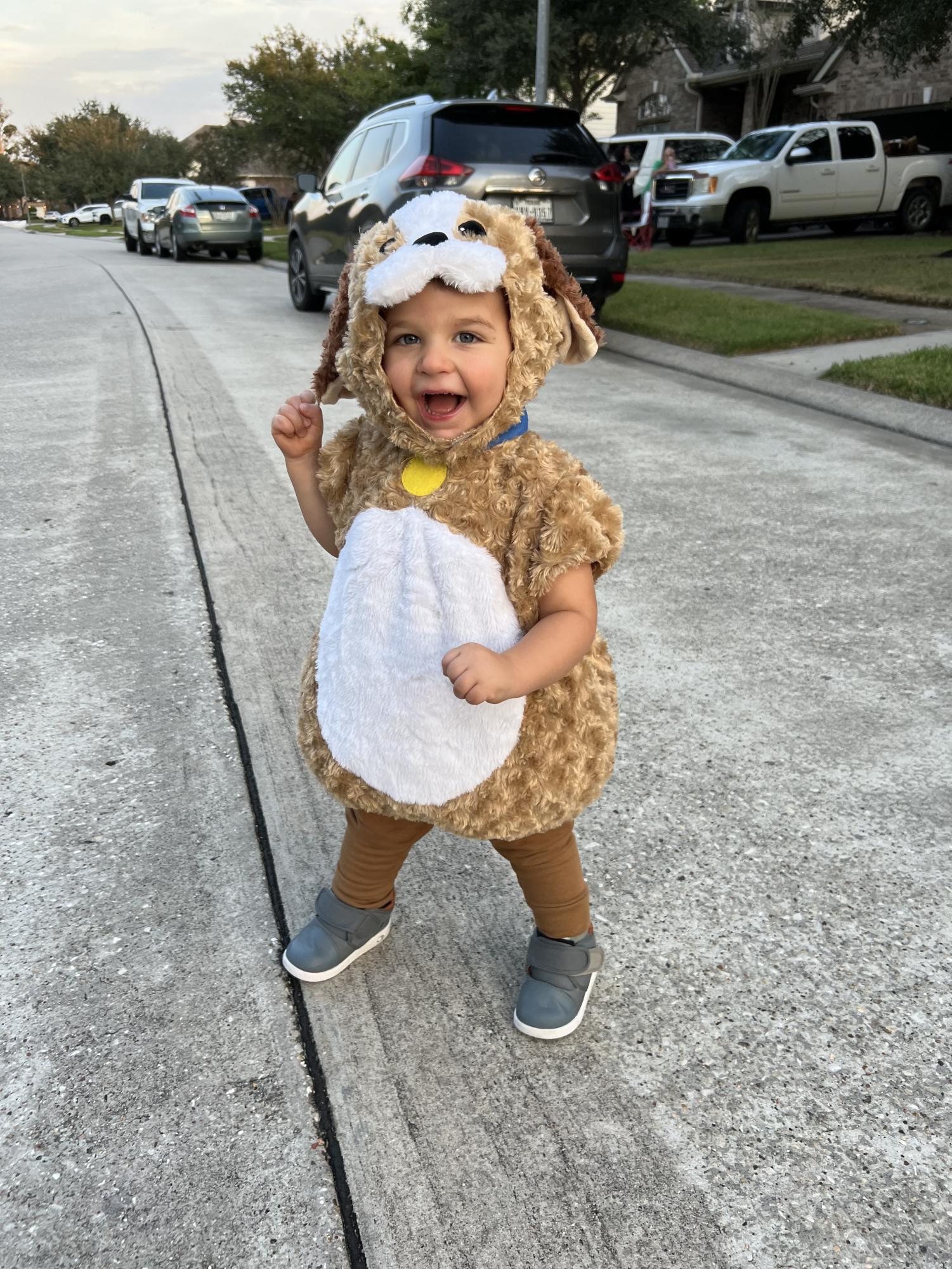
Ryder is three years old, about to be four. Growing up Ryder was described as an exceedingly attentive baby by his parents. He loves books, dancing with his sister, and playing outside. He is described by his family as the sweetest, happiest, most loving boy, who is his best self at school.
According to Maggie, Ryder and his sister Marley are extremely close.
“He loves her, and she loves him too.” Maggie said. “When I go to pick him up at daycare, I always get her first, and she runs right past me, she wants to go find him.”
Ryder is a kid who loves other kids. He loves playing with everyone and loves to laugh.
“I love how much he likes other kids” Maggie said. “They just make him laugh to the point where he will just tip over because he has no more strength because he is using it all to laugh. There have been a lot of times where Marley will make him laugh so hard that he’ll just tip over. You just have to go hold him up because he’s just using every ounce to laugh.”
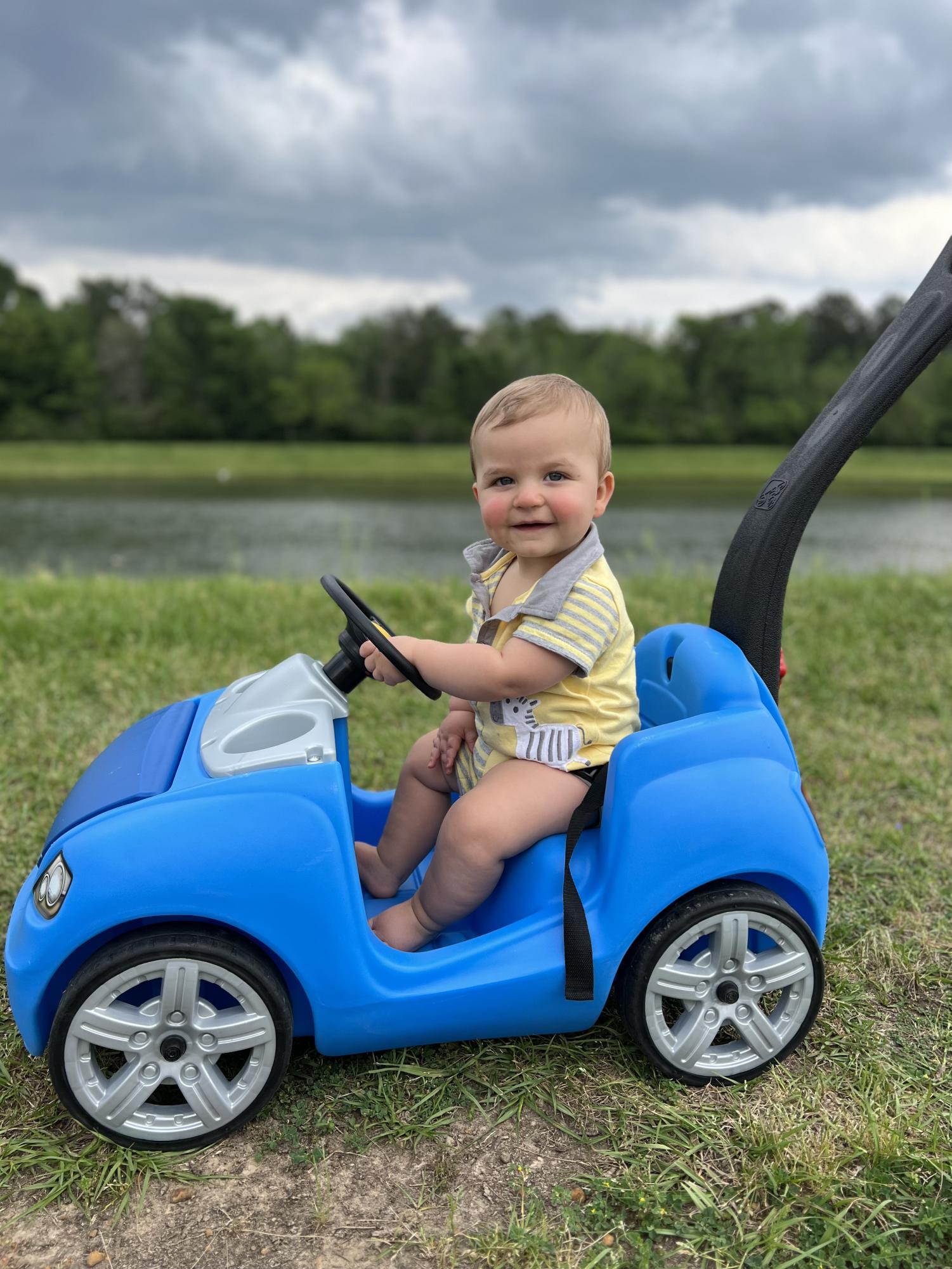
At 12 months old, Ryder wasn’t crawling. After a visit to his pediatrician, Maggie was assured that nothing was out of the ordinary, and Ryder eventually crawled at 15 months.
By two years old, Ryder was not walking and was barely speaking. With these new worries, the doctor ordered an MRI. The neurologist found several anomalies on the scan, but stated that nothing was degenerative. Feeling that something was still off, Maggie took Ryder to a developmental pediatrician, who felt they needed to understand the cause of the anomalies.
After getting a full exome sequence, Maggie received the call, while at her “meet-the-teacher,” that Ryder had a rare disorder called SPG47. The developmental pediatrician referred them to the Boston Children’s Hospital, where they learned more about the disorder, and first heard about the clinical trial.
At almost four years old, Ryder has the speech ability of a two year old. He can walk, but falls over easily. Every milestone is slow, and he is frequently lapped by his little sister. Without the clinical trial, Ryder will very likely be in a wheelchair by 10 years old.
“It is getting harder for him to do stuff,” Maggie said, “this weekend you could tell he was getting really tired.”
“There’s times you feel like you forget that he can’t say much,” Maggie said. “He can go to the fridge and request what he wants and say names and things like that, but it definitely affects speech. His mobility is what has been the most affected though, he has to wear braces on his ankles. He has AFOs, they come up about halfway on his calf. His balance is just off, if you nudge him the wrong way, he’s gonna tip over.”
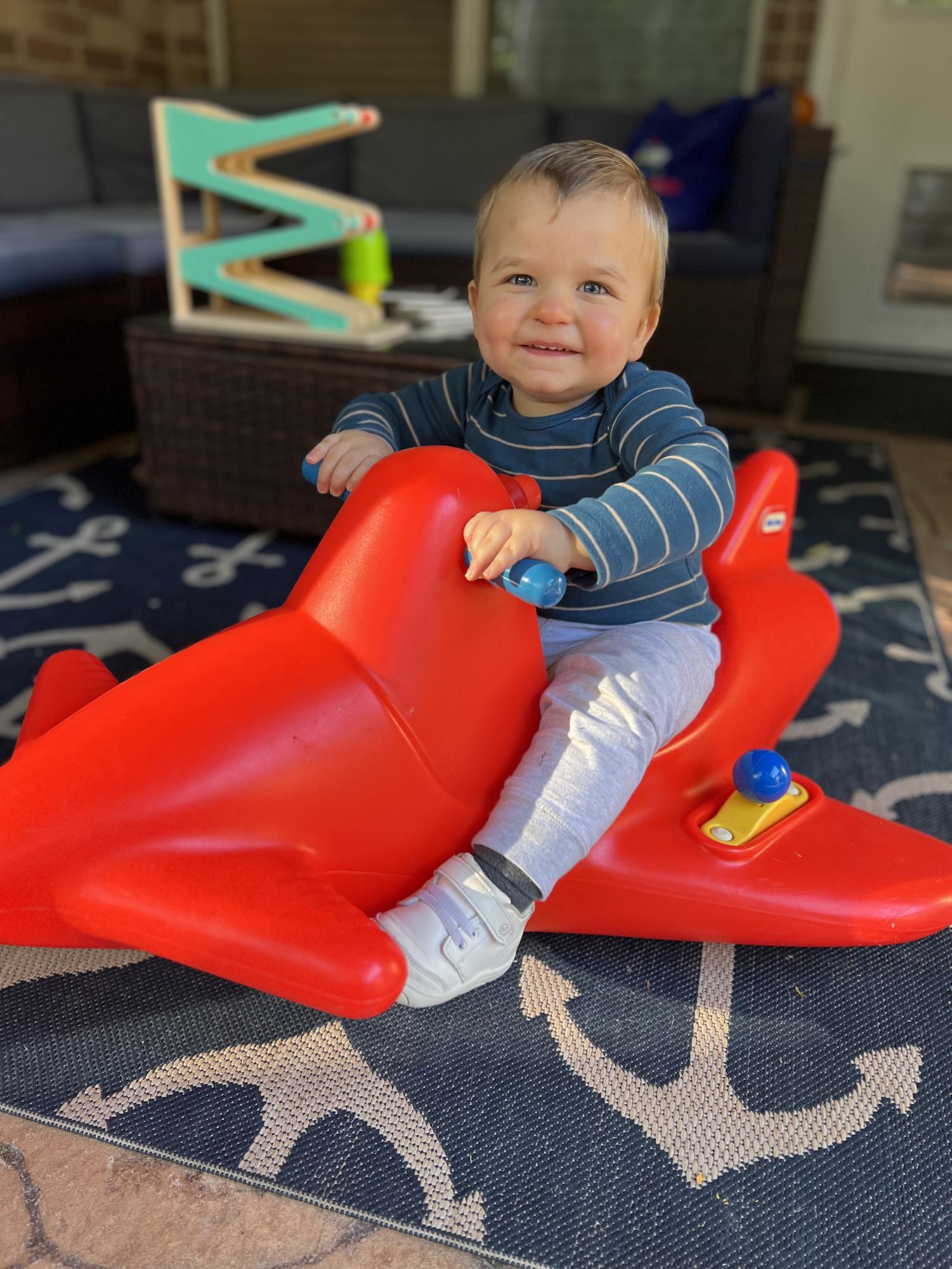
SPG47 is a rare form of Hereditary Spastic Paraplegia, a genetic neurological disorder that causes progressive spasticity and weakness in the muscles. It can also cause speech and motor delays and puts the person at risk for a myriad of other symptoms. Most people with this condition are in a wheelchair by 10 years old; often development is slowed, and abilities slowly deteriorate over time, according to Buckley. Being one of the rarest types of the AP-4 deficiency disorder, the oldest person known to have SPG47 is only 55 years old, according to the Boston Children’s hospital.
“It is a degenerative neurological condition,” Maggie said. “Over time, the muscles slowly get more spastic. So they basically tighten and it just causes progressive weakness”-“The incorrect gene basically causes a blockage in something with the way that proteins are utilized in cells and the way that neurons flow down to the muscles.”
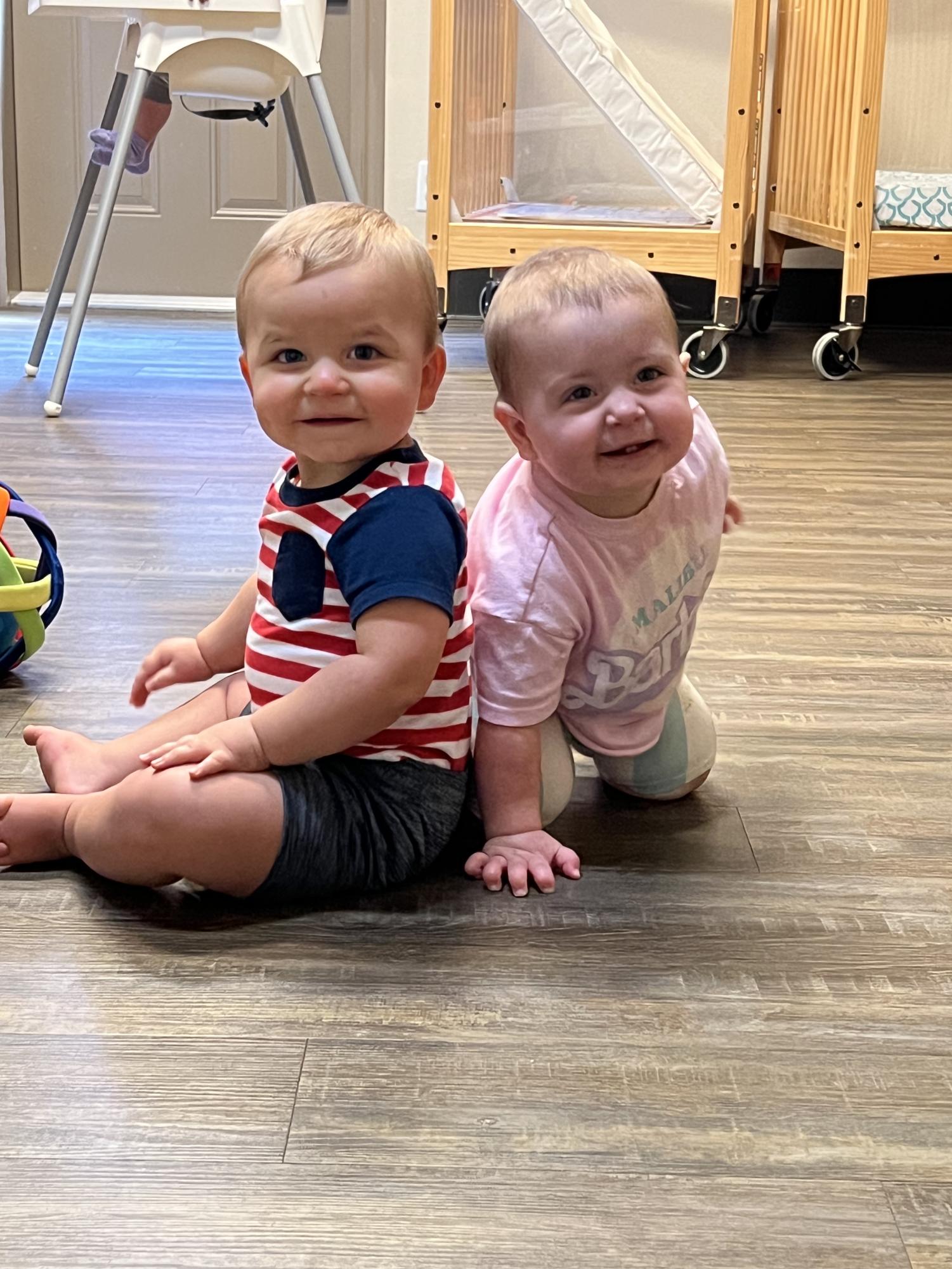
According to Maggie, outside of the Buckley’s, family and friends have been nothing but helpful. From continued support, to checking in, to getting the community together, they have made a huge impact on the Buckley family.
Kelsey, Maggie’s team member at Deretchin where she works as a kindergarten teacher, and the mother of Ryder’s best friend, Kinleigh, has been alongside the family for years. Ryder and Kinleigh grew up side by side. By the age of two, when Kinleigh was walking, and Ryder was not, Maggie decided he needed to be checked out.
“He loves her. And she loves him too,” Maggie said. “I just knew, right away, you know, Kinleigh [Kelsey’s daughter] and her son Koda, they just loved Ryder from the start. I always felt like I could feel very safe and feel like it’s not my fault. You’re not a bad mom when you have a kid, that has something wrong with them, but it’s hard to not feel inferior.”
From being pregnant together, to reassuring Maggie, to being there at meet the teacher when Ryder got his diagnosis, Kelsey has always stuck by Maggie, and has stated that she feels that this experience has only brought them closer together.
“I mean, it’s easy to be friends when everything’s happy and going well,” said Kelsey. “But whenever you’re seeing someone going through the darkest parts of their life, and the saddest parts, it’s a lot harder.”
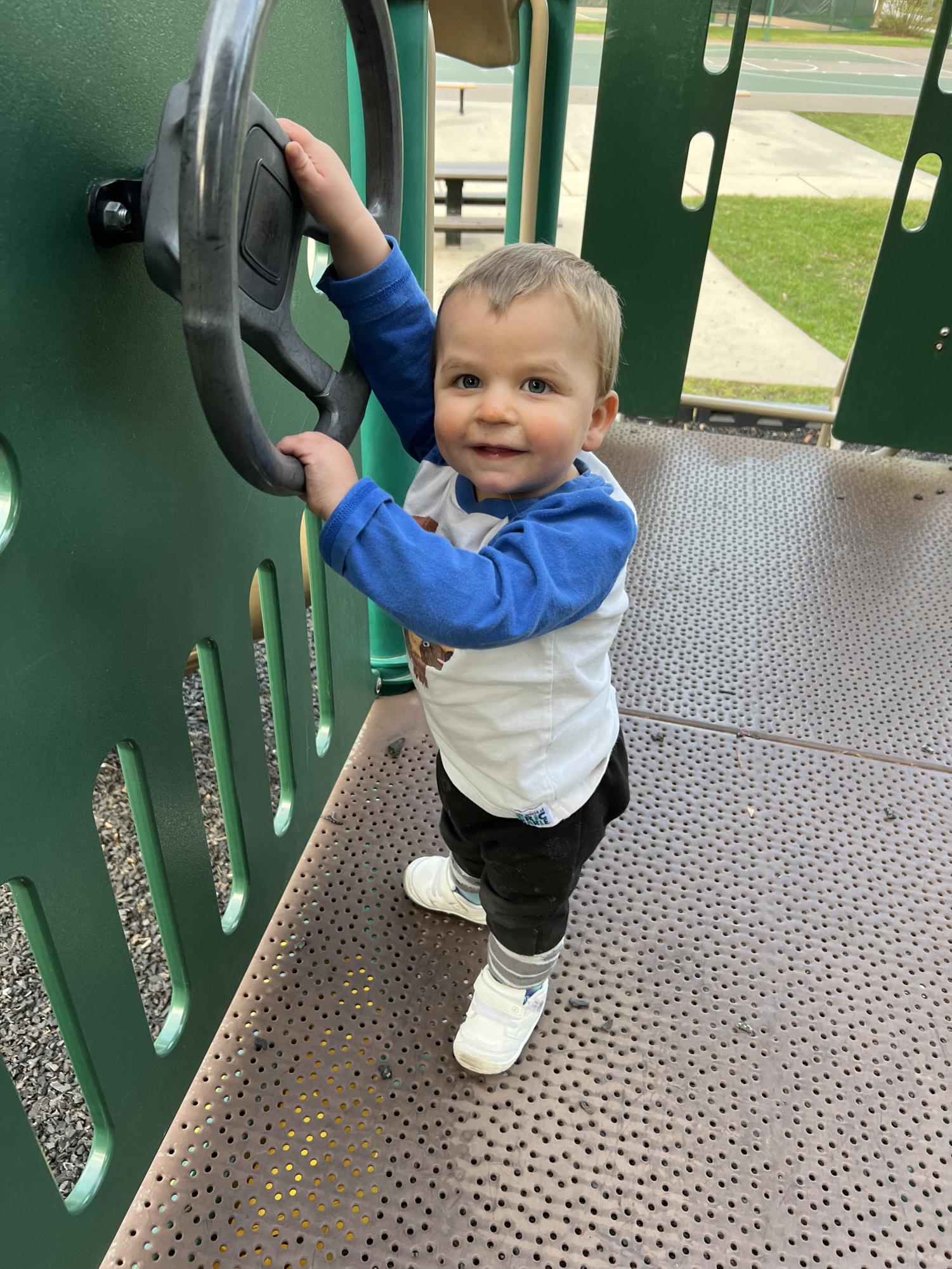
The clinical trial, pioneered by Blackfin Bio and run through Boston Children’s Hospital, is an injection that works to stop the spread of the disorder. The treatment has taken almost 10 years to develop and is the only one for SPG47 that is even close to ready. There are certain requirements: the child must be under five, able to travel, and preferably show mild symptoms.
“Basically, what it does is they inject it into the brain stem, and it’s supposed to go in and replace the faulty gene with a correct one,” Maggie said, “if it goes in there and stops that buildup of excess protein, then you would just have it functioning normally. So it’s not going to fix the damage done during brain development, but it will stop any further progression of the disease.”
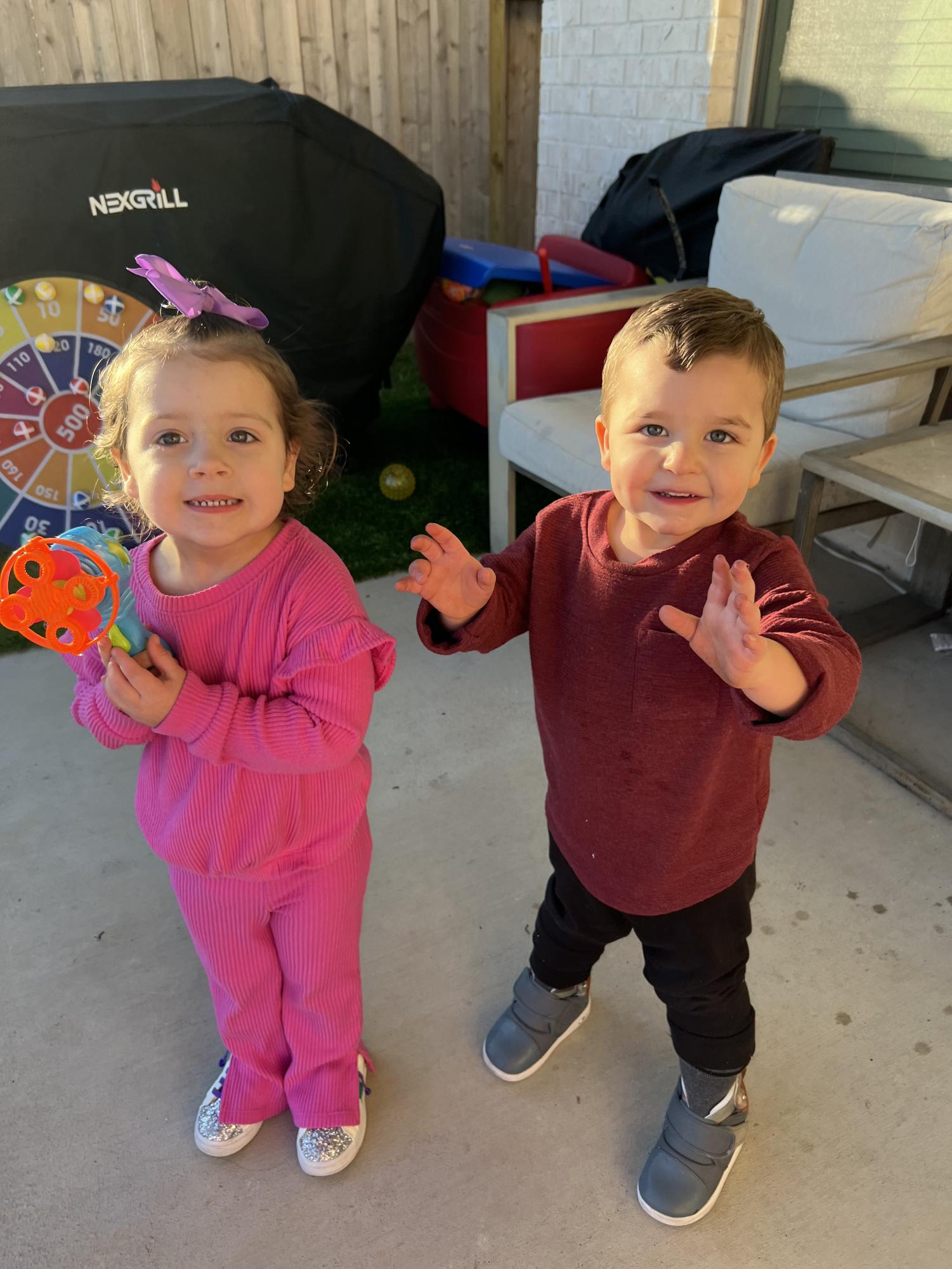
Currently, the trial is just waiting to be set in motion, and is being held up by funding.
“It’s really frustrating to have a cure sitting there,” Maggie said. “Like it’s ready. It’s already in the vials and it’s just sitting there waiting to have the funding to actually put it in children and watch how it can help them.”
The clinical trial was set for 2025; however, due to the nature of a clinical trial, they still need more money. To start the process, Boston Children’s Hospital needs $5 million to cover the treatment, and all five years of check ups and appointments. So far, The Buckleys have raised $115,000, and all together, the non-profit CureAP4, has raised one million dollars. Though the community has rallied around Ryder in a way never expected by his mom, it will take donations from larger corporations to make a dent. Due to the non-profit being 501C3 certified, any donations are tax deductible.
“We’ve had so much support already from all of our family and friends and everyone surrounding us, like parents that I’ve had from former students, people from high school, and college, literally every walk of life have stepped up and donated,” Maggie said. “You just feel like you’re never going to be able to say thank you enough.”
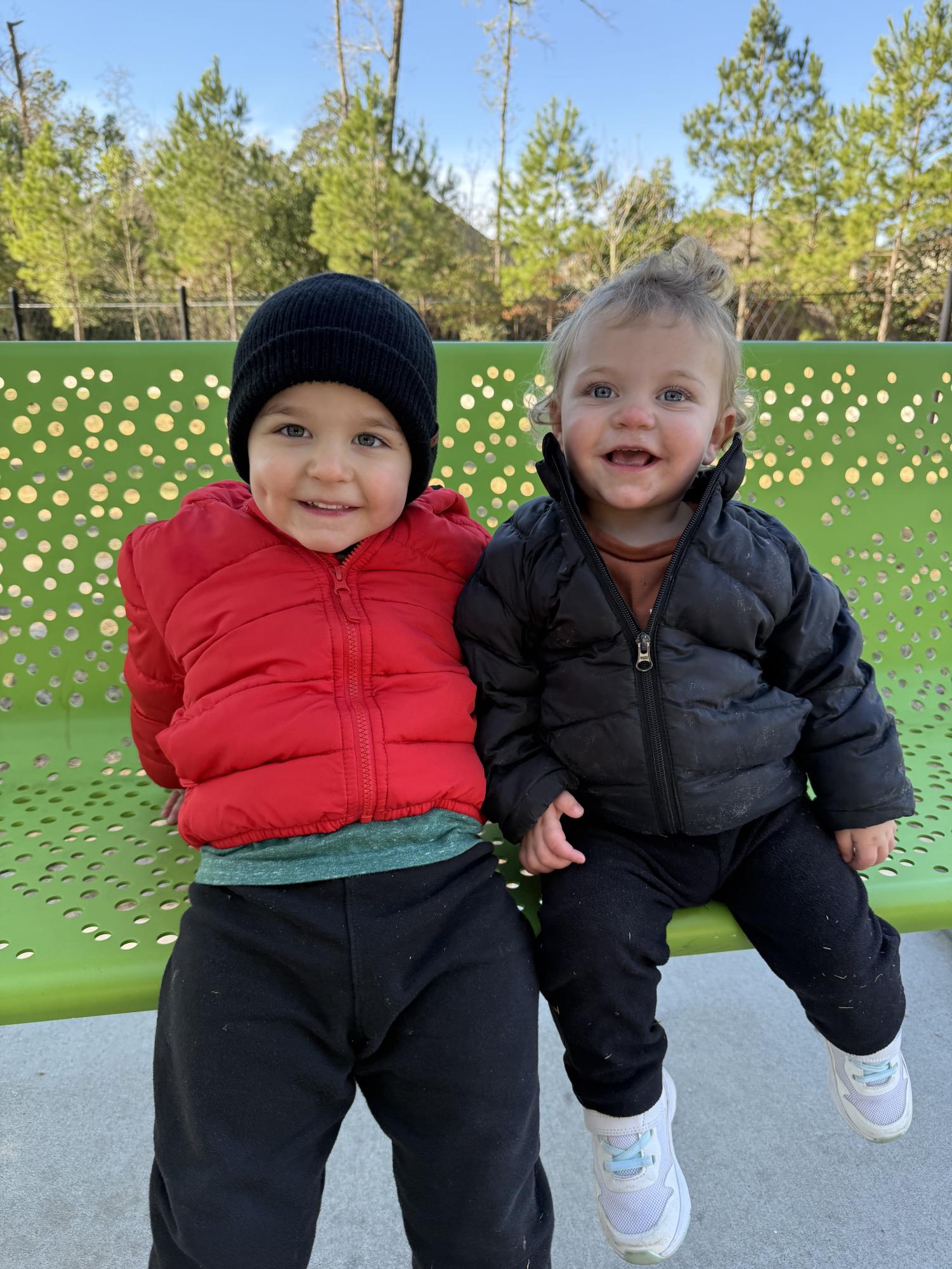
Maggie’s hopes for Ryder are just like any other mother’s, she hopes for his happiness.
“I just hope he can be the best person that he can be, and be happy,” Maggie said. “I really just want him to be happy. I think my biggest fear is that if he loses his ability to walk, he’s going to not be as happy because he’s tasted freedom and some kids with SPG47 don’t, so they don’t know what it’s like to be free and run around. I just want this for him so badly. Because I don’t want him to be frustrated with his life because he can’t do things that he’s once done. You know? That’s what I want. I just want him to be happy.”
To follow their process, search for @riseforryder, on Instagram
For more information click here: https://cureap4.org/
Ryder’s Paypal page:
https://www.paypal.com/donate?campaign_id=Y4DSNKDUFT66L
For Venmo, the handle is @CureSPG47 , to donate only to SPG47, type “Ryder- CureSPG47” in the comment line.
Your donation will support the student journalists of The Woodlands High School. Your contribution will allow us to purchase equipment and cover our annual website hosting costs.