
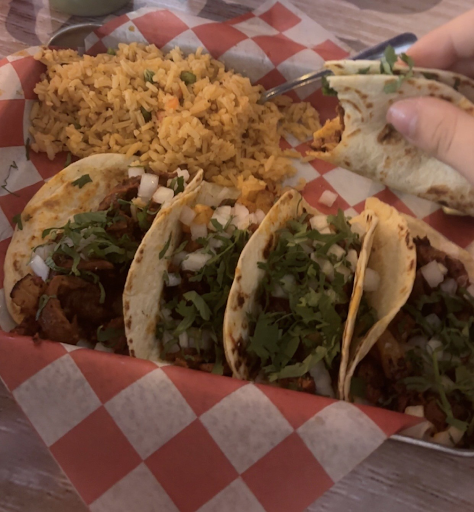
In the afternoon, Ana Laura quickly prepares food in the kitchen for dinner. The delicious smell of tortillas, chilies, and onions cooking fills the kitchen air. Her skilled hands carefully chop every vegetable, with the knife clicking and clacking the chopping board at every slice. Even though she has been staying in the United States for a long period, her kitchen is still the most ideal, nostalgic place for her. A place where her memories of yesterday and now are combined to make a special recipe with memories of tomorrow.
Furthermore, after interviewing a proud grandmother, mother, and a young daughter, they explain how food can connect different cultures, without an individual having to visit their country.
Many families use recipes passed down from their own heritage, creating unique and colorful dishes that anyone can enjoy. Ana Laura, a 71 year old grandmother, lived in Monterrey, Mexico and studied her mother’s way of cooking by observing in the kitchen.
“My mother loved to cook different kinds of recipes every day without using a typical recipe book,” Ana Laura said. “She always told me to follow my heart instead of my hands first, because apparently that is how the best meals are created.”
Her daughter, Jessica, who is 52, grew up watching her mother, Ana Laura, create new recipes after spending many hours at her job. After many years together, Jessica started to realize that the kitchen took away all of her mother’s stress and made her happier. The kitchen was more than just a place to prepare food, it was also a place where family stories passed throughout generations.
“She could be extremely tired from having a hard day at work, but once she grabbed the ingredients and started cooking, it was as if she had turned into a different person,” Jessica clarified. “The kitchen was her comfort zone, and especially a place where she could create anything without feeling judged by others.”
Now, Jessica passes down the recipes to her own children. She continues to alter and create new recipes to write down in the special notebook along the way. Jessica believes that sharing recipes is the best way to share traditions with other cultures that do not know much about Mexico.
“Food is the most important part of any culture,” Jessica explains. “A cultural dish can contain more information than actual words, because two people can speak different languages and still manage to understand each other by just tasting their traditional and homemade recipes.”
Maria, a 20 year old who lives in the United States, had the notebook passed down to her, and is now starting to learn the unique recipes from her past generations. Although she spent most of her childhood in the United States, cooking has helped her become closer to her culture.
“Every time I learn a new recipe, it feels like I am taking a look back at the past of other generations in the family,” Maria said. “I enjoy learning about new things that my family used to enjoy every day.”