
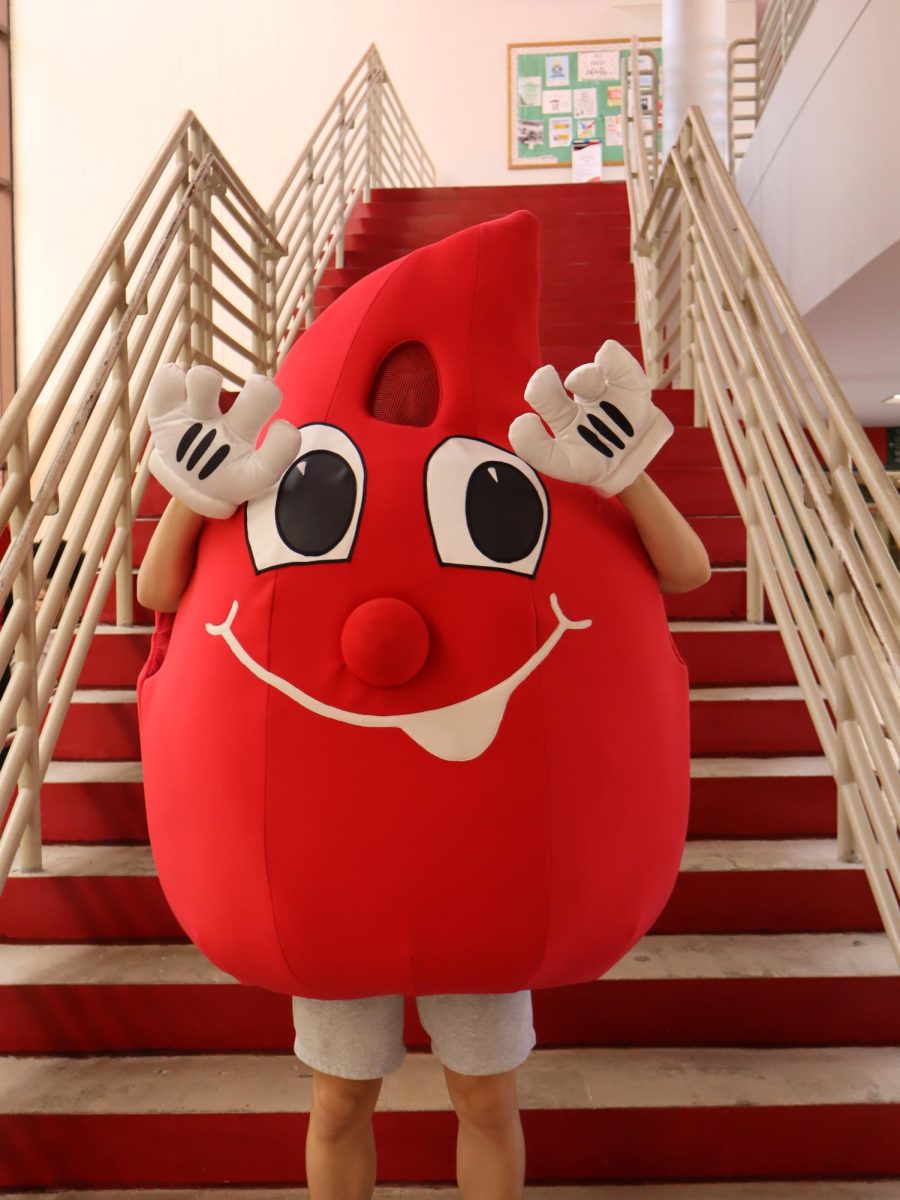
On Tuesday, February 3, 2026, The Woodlands High School is partnering with MD Anderson to host a blood drive at the school. This annual event allows students and staff to donate their blood, to save lives.
This year, HOSA is in charge of all of the sign-ups, requirements, and everything needed for the blood drive to go smoothly. HOSA stands for Health Occupations Students of America and is one of the many organizations that students interested in the medical field can join at TWHS. Blood donation is a small thing that people can do to make a big difference.
“We want to collect donations, to save as many lives as possible” Mrs. Miller, HOSA sponsor said.
If you are thinking about donating your blood, there are a couple of requirements you must have. You must be 17 years of age, weigh more than 110 pounds, you must bring your photo ID, and you must eat a meal before the process.
“We are the largest blood drive in the district and our goal for this year is for 250 people to donate their blood” Mrs. Baker, HOSA Sponsor said.
If students need another incentive to donate, Mrs. Miller has one.
“Each student who donates, or brings in a family member to donate, will receive 5 tardies excused.”
The actual process of donating blood is short and ‘sweet’, but with the number of students signing up, it is predicted to be about an hour long. This includes checking in, going through the screening process, and waiting for your turn.
To ensure your safety, make sure you eat a meal, at the latest, 4 hours before you get your blood drawn. “Hydrating a few days before will help with the process,” Miller added.
After getting your blood drawn it is important to take a rest day. Mrs. Baker insists, “No activity should be done the day you get your blood drawn which includes taking the day off work.”
To sign up for the blood drive this upcoming Tuesday, there will be HOSA students in the cafeteria that you can meet up with during lunch. For before or after school sign-ups, there are QR codes posted on the walls of the school. You must sign-up for this event.
“A single unit of donated blood can save up to three lives” according to the World Health Organization.